







Dealing with stubborn weeds in your garden can seem endless. If you search for quick solutions, you’ll likely find DIY tips that use household products as weed killers. Bleach is a common suggestion, but is it really safe to use something from your laundry room in the garden?
The short answer is yes, bleach can kill weeds. However, just because it works doesn’t mean you should use it. Using bleach on your weeds can create a host of bigger problems for your soil, surrounding plants, and the local ecosystem.
In this article, you’ll learn why bleach kills plants and, more importantly, the major drawbacks of using it in your yard. We’ll also share safer, expert-recommended ways to control weeds without harming your garden.
How Bleach Affects Weeds and Soil
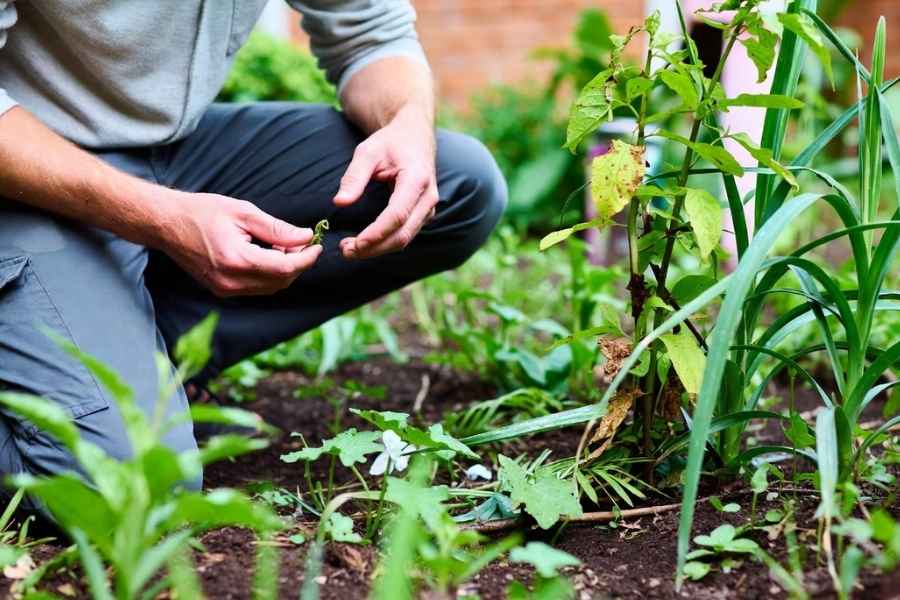
Bleach is made to disinfect and kill germs, so it’s also very harmful to plants. If you spray bleach on a weed, it destroys the plant’s cells and soaks into the ground to reach the roots, killing the whole weed. That’s why some people call it a permanent fix for tough weeds.
The real issue is what bleach leaves behind. Ralph Mitchell, director at the University of Florida Extension Office, says bleach can cause long-term harm to your garden. Here’s why:
- Alters Soil pH: Bleach has a very high pH level, meaning it is highly alkaline. When introduced to your garden, it can drastically increase the soil’s alkalinity. Most plants thrive in neutral to slig (Baking Soda for Plants? Here’s Why That’s Not a Good Idea, 2025)htly acidic soil, so making the soil too alkaline can render it unable to support healthy plant growth for an extended period. (The Impact of Alkaline Stress on Plant Growth and Its Alkaline Resistance Mechanisms, 2024)
- Leaves Harmful Salt Residue: When bleach breaks down in soil, it leaves salt behind. High salt levels are toxic to most plants, pulling moisture from their roots and blocking nutrients. This can leave empty spots in your garden where nothing will grow, not just the weeds. (Managing Pests in Gardens: Environmental Factors: Nutrient and mineral excesses, salinity, and salt toxicity—UC IPM, n.d.)
- Collateral Damage: Bleach doesn’t just affect the weed you spray. Rain can wash it into other parts of your yard, hurting your lawn, flowers, or vegetables. If it runs off into storm drains, it can also harm fish and wildlife in nearby streams and lakes. (Nonpoint Source: Agriculture, 2025)
Is It Safe to Use on Patios or Driveways?
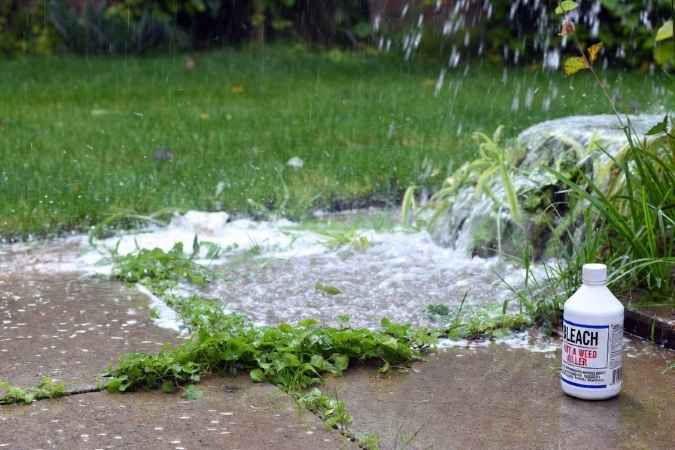
Some people suggest using bleach to kill weeds that sprout in the cracks of patios, sidewalks, and driveways. The reasoning is that there’s no soil to damage in these areas. While it may seem like a contained solution, the risk of runoff remains. A rainstorm can wash the bleach from your driveway directly into your lawn or a nearby garden bed, causing the same soil damage you were trying to avoid.
Also, it’s usually not safe to use products for things they weren’t made for. Mitchell points out that product labels are legal documents based on research. Bleach isn’t labeled as a weed killer. Commercial weed killers are tested to make sure they work and come with clear safety instructions.
4 Better Ways to Kill Weeds
If you want to control weeds safely, there are better options than bleach that won’t hurt your garden in the long run.
1. Pull Weeds by Hand
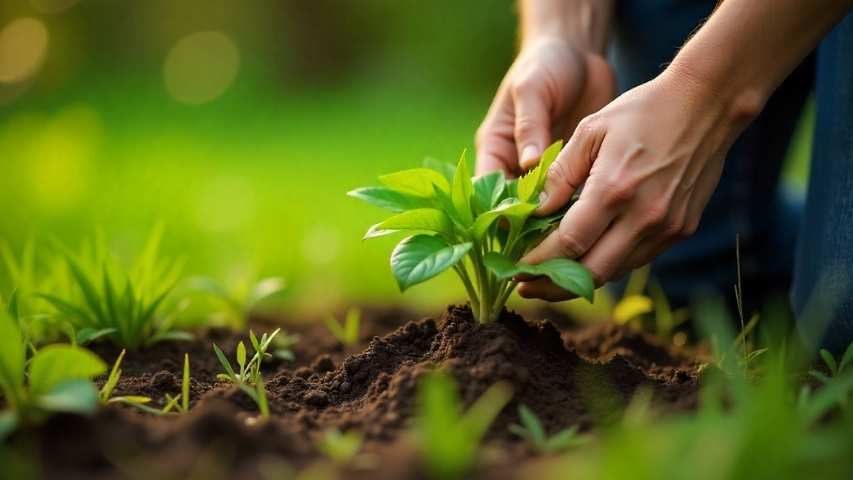
The simplest and most eco-friendly way is to pull weeds by hand. This removes the whole plant, roots and all, without adding chemicals to your soil. It’s also a good way to get some light exercise and spend time in your garden. For tough weeds, a good weeding tool can help.
2. Use Mulch
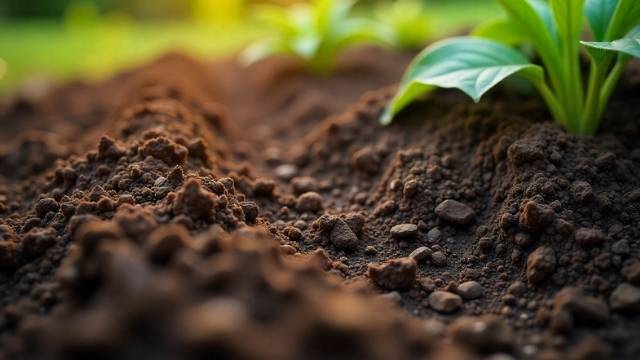
Once your garden is free of weeds, applying a thick layer of Mulch is one of the best ways to prevent them from coming back. Mulch blocks sunlight, which weed seeds need to germinate. As it decomposes, organic Mulch, such as wood chips, straw, or compost, also enriches the soil, improving its structure and fertility. (Mulch, n.d.)
3. Promote Healthy Plant Growth
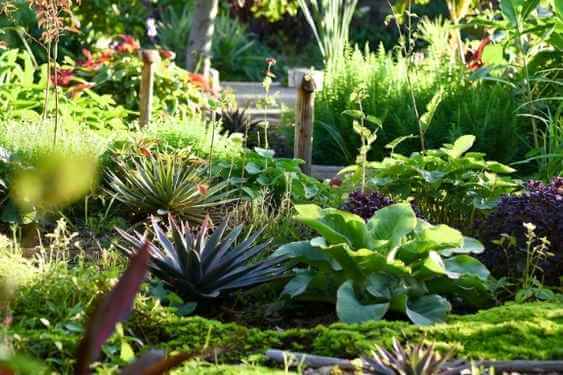
A healthy, full garden is the best way to keep weeds away. When your plants are strong, they use up sunlight, water, and nutrients, leaving little for weeds. Mitchell says that plants growing close together, or “shoulder to shoulder,” can block weeds from getting started. (Grow plants that compete with damaging weeds, n.d.)
4. Implement Micro-Irrigation
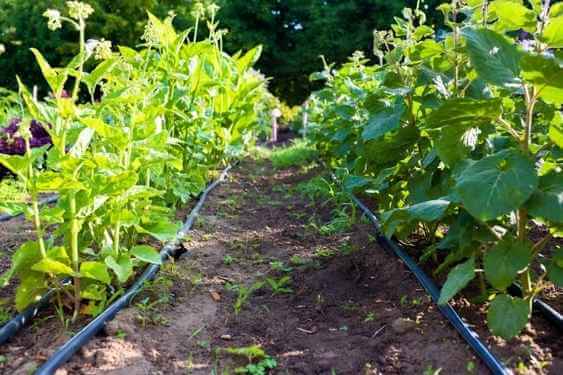
Weeds need water just like your plants do. Rather than watering everything with a sprinkler, try micro-irrigation like drip lines or soaker hoses. These send water right to your plants’ roots, keeping the rest of the soil dry and making it harder for weeds to grow. This also saves water. (Drip Irrigation & Soaker Hoses, n.d.)
Frequently Asked Questions
Can I use vinegar as a weed killer instead of bleach?
Vinegar, especially horticultural vinegar with more acetic acid, can work as a natural weed killer. It burns the leaves of plants. But like bleach, it isn’t selective and can damage any plant it touches. It works best on young weeds and might not kill the roots of older ones, so they could grow back. (Vinegar as a Weed Killer: To Dilute or Not to Dilute?, 2025)
What are some pet-safe weed killer options?
If you have pets, it’s important to use weed control that won’t hurt them. Hand-pulling and mulching are completely safe. You can also find pet-safe weed killers made from things like corn gluten meal, which stops seeds from sprouting. (Corn Gluten Meal (100137) Fact Sheet, n.d.) Always check the label to make sure a product is safe for animals.
How can I remove weeds from my lawn without harming the grass?
To manage weeds in your lawn, use a selective herbicide that targets broadleaf weeds but won’t hurt your grass. Good lawn care, like mowing at the right height, watering enough, and fertilizing, will help your grass grow thick and crowd out weeds naturally. (WEED MANAGEMENT IN LAWNS, n.d.)
Your Garden’s Long-Term Health Matters
Bleach might look like a fast way to get rid of weeds, but the long-term harm to your soil and the environment isn’t worth it. By choosing safer options like hand-pulling, mulching, and careful watering, you can keep your garden healthy and weed-free.
A healthy garden is strong and can handle challenges. Building a thriving ecosystem for your plants is the best and most satisfying way to keep weeds under control.