










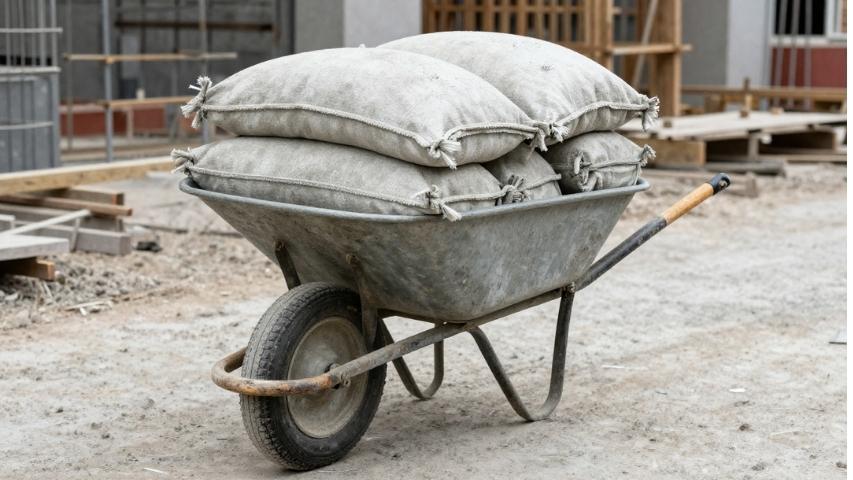
You have a project to complete: mulch to spread and heavy bags of concrete to move. However, your hauling tool is rusted, has a flat tire, or a weak handle. What should be a straightforward task quickly becomes unnecessarily strenuous.
Landscaping and construction projects require significant physical effort. While the end result is rewarding, the process of transporting heavy materials is often the most demanding and time-consuming aspect. A quality wheelbarrow can make this task much more manageable.
Choosing the right wheelbarrow might seem straightforward, but browsing the aisles of any hardware store will quickly show you that the options are vast. Steel or plastic? One wheel or two? Pneumatic tires or flat-free? The subtle differences in design can drastically change your experience. The right choice turns a back-breaking chore into a smooth operation. The wrong one leaves you fighting to keep the load balanced while struggling over uneven terrain.
This guide outlines the key factors to consider when choosing a wheelbarrow, helping you focus your energy on the project rather than the effort of transporting materials.
Material Matters: Steel vs. Plastic
The primary distinction between wheelbarrows is the material of the tray or hopper. This choice affects both the appearance and the types of materials you can safely transport.
Steel Trays

The traditional choice for construction sites and heavy-duty projects is steel. These trays are incredibly durable and can withstand the abuse of heavy, abrasive loads. If you plan to haul rocks, bricks, or mix concrete directly in the wheelbarrow, steel is the superior option. A plastic tray might scratch, gouge, or even crack under the weight of jagged rocks or the heat of curing concrete.
However, steel trays are prone to rust when exposed to moisture and are heavier than plastic alternatives, making them more difficult to move.
Plastic (Poly) Trays

Polyethylene, or poly trays, are popular for residential landscaping and gardening because they are lightweight and easy to maneuver. They do not rust or corrode, making them easy to clean and store outdoors.
Poly trays are well-suited for transporting mulch, soil, compost, and garden debris. Although high-density plastics are durable, they may crack if overloaded or exposed to extreme cold. For gardening and light landscaping, a poly tray is typically the best option.
The Balancing Act: One Wheel or Two?
The number of wheels on your cart changes the physics of how you move it. Each configuration has distinct advantages depending on the terrain you are traversing.
Single-Wheel Design

This is the classic wheelbarrow configuration. It features a single wheel centered at the front, with two legs in the back for stability when stopped. The primary advantage of a single wheel is agility. You can pivot the barrow on a dime, navigate narrow garden paths, and dump loads with precision by tilting the tray to the side.
However, single-wheel designs require the user to balance the load, which can lead to tipping if the tray is unevenly loaded or the terrain is rough. This configuration also demands more upper-body strength.
Two-Wheel Design

Two-wheeled models, with wheels spaced at the front, provide greater stability and are less likely to tip, even with unbalanced loads. They are ideal for moving heavy items over flat ground and for users seeking easier handling.
The main drawback is reduced maneuverability. Two-wheeled barrows require wider turns and are less effective on sloped terrain.
Tire Types: Air vs. Solid
After selecting the wheel configuration, consider the tire type. The terrain will largely determine the most suitable option.
Pneumatic (Air-Filled) Tires

Pneumatic tires, similar to those on bicycles or cars, contain an air-filled inner tube. They provide a smoother ride by absorbing shocks, making them ideal for transporting heavy loads over uneven surfaces.
However, air-filled tires require regular maintenance, as they can go flat, be punctured, or need periodic reinflation.
Flat-Free (Solid) Tires

Made of solid polyurethane foam or rubber, these tires can never go flat. You can roll right over a bed of nails or leave the wheelbarrow sitting. Solid tires, made from polyurethane foam or rubber, cannot go flat and require no maintenance, making them a convenient choice for many homeowners. However, they will be harder to push through loose sand or mud than pneumatic tires.
Capacity: Volume vs. Weight

When shopping, you will encounter specifications such as “6 cubic feet” or “300 lbs capacity.” It is important to understand the distinction between these measurements.
Volume (Cubic Feet): This measures the space inside the tray. A standard homeowner wheelbarrow is usually around 4 to 6 cubic feet. This is plenty of space for bags of mulch or a pile of weeds. Larger contractor-grade barrows can go up to 8 or 10 cubic feet. Remember, a bigger tray tempts you to fill it up. A massive tray filled with wet soil might be impossible to move.
Weight capacity refers to the maximum load the wheelbarrow can support. Always verify the weight rating, especially if you plan to transport dense materials such as stone, sand, or concrete.
Handle Ergonomics

Handles are the primary point of contact with the load. Traditional straight handles offer good leverage for lifting and dumping. Wood handles provide some shock absorption but may crack or rot, while steel handles are stronger but heavier and sensitive to temperature changes.
Ergonomic or bar handles, similar to those on lawnmowers, are increasingly common. They are generally easier to pull and accommodate users of various heights, though they may make sideways dumping more difficult.
Safety and Lifting Techniques

Proper technique is essential to prevent injury, regardless of the quality of the wheelbarrow.
When loading, place the heaviest items directly over the wheel or axle to transfer weight efficiently. Loading heavy materials near the handles increases the effort required to lift. Straighten and lift with your legs, not your lower back. When moving, keep a steady pace. Momentum is your friend, especially when going uphill or over soft ground. If you start to lose control or the barrow begins to tip, let it go. Trying to save a tipping load often results in twisted wrists or strained back muscles. It is much easier to shovel dirt back into the tray than to recover from a herniated disc.
Making the Final Choice

The ideal wheelbarrow depends on your specific environment and physical abilities.
For the avid gardener with a relatively flat yard who mostly moves mulch and weeds, a 6-cubic-foot poly tray with two wheels is likely the perfect match. It offers stability, requires no maintenance, and won’t rust.
For DIY projects involving concrete or stone, a steel single-wheel barrow with pneumatic tires provides durability, agility, and effective shock absorption for heavy loads on uneven ground.
Before purchasing, visit the store to test the wheelbarrow. Ensure the handles are comfortable and the balance is suitable for you. Taking the time to choose the right tool will benefit your future projects.