








Hard water may seem harmless, but it can cause real problems in your home. It clogs pipes, wears out appliances like dishwashers and water heaters faster, and leaves soap scum in your showers and on your dishes. It can also dry out your skin and make your hair look dull. Since more than 85% of homes in the United States have hard water, a water softener can be an important investment to protect your home and improve daily life.
But what exactly is a water softener, and how does it work? This guide will walk you through everything you need to know. We’ll explore the science behind water softening, the different types of systems available, and the key factors to consider when choosing one for your home. By the end, you’ll understand the benefits of softened water and decide whether a water softener is the right solution for you.
How Does a Water Softener Work?
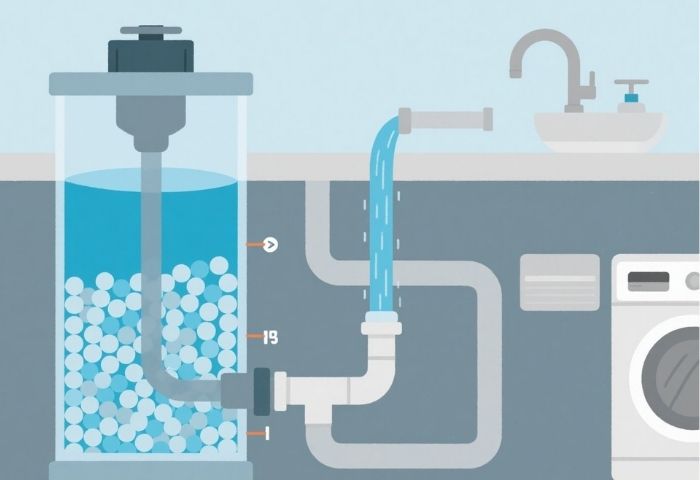
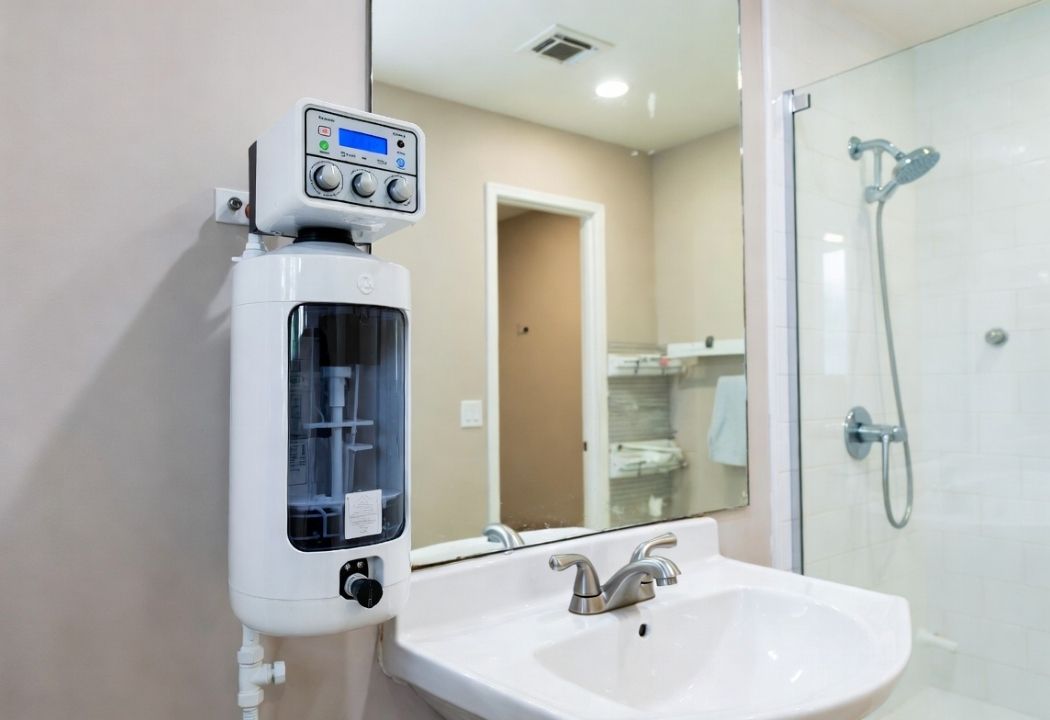
Most water softeners operate on a simple but effective principle called ion exchange. Hard water is water that contains high levels of dissolved minerals, primarily calcium and magnesium. A water softener removes these minerals.
Here’s a breakdown of the process:
- The Mineral Tank: Hard water enters a mineral tank filled with small, spherical resin beads. These beads are negatively charged and coated with positively charged sodium ions.
- Ion Exchange: As the hard water flows through the resin beads, the positively charged calcium and magnesium ions are attracted to the negatively charged beads. The beads capture these hard minerals, releasing the sodium ions into the water in their place.
- Softened Water: The water that leaves the tank is now “soft” because the hardness minerals have been removed. This softened water then flows through your pipes to your faucets and appliances.
Over time, the resin beads fill with calcium and magnesium, which can reduce their ability to soften water. At this point, the system needs to regenerate.
What is Water Softener Regeneration?
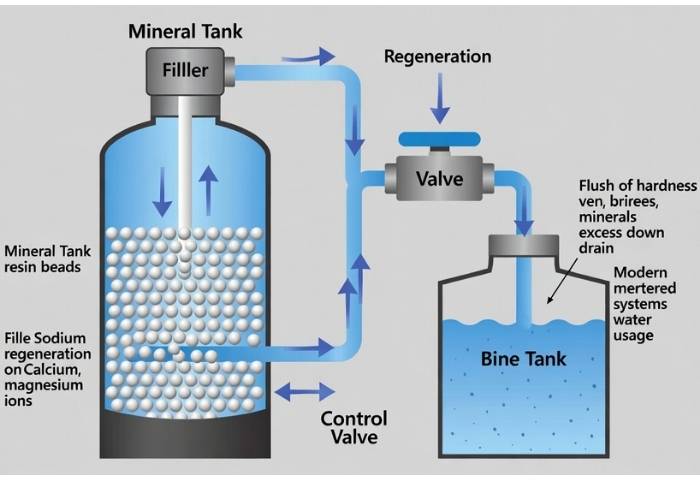
Regeneration is the process of cleaning the resin beads so they can continue to soften water. This is where the brine tank comes in.
- The Brine Tank: The brine tank is a separate container that holds a highly concentrated salt (or sometimes potassium) solution.
- The Regeneration Cycle: The control valve initiates the cycle, sending a strong brine solution through the mineral tank. The sodium ions in the brine push the calcium and magnesium ions off the resin beads.
- Flushing: The concentrated mix of hardness minerals and excess brine is then flushed out of the system and down a drain.
- Ready to Go: The resin beads are now recharged with sodium ions and ready to soften water again.
Modern water softeners often use metered systems that track how much water you use and only regenerate when needed. This makes them very efficient.
Types of Water Softeners
When you shop for a water softener, you’ll find two main types: salt-based and salt-free. Knowing the difference will help you pick the right one for your home.
Salt-Based Water Softeners
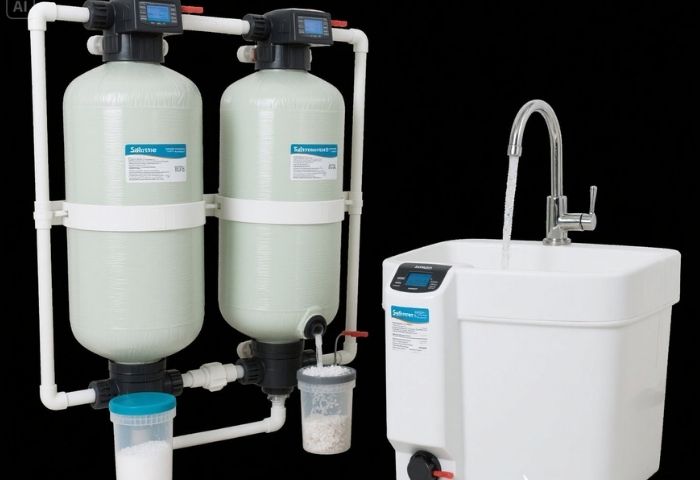
Salt-based systems are the most common type of water softener. They use ion exchange to physically remove hardness minerals from the water.
- How they work: They exchange calcium and magnesium ions for sodium ions, resulting in genuinely soft water.
- Pros: They work very well at solving problems caused by hard water, such as scale buildup, dry skin, and stiff laundry. They also come in different sizes to fit any home.
- Cons: They require refilling the brine tank with salt regularly. The regeneration process produces salty wastewater, which is banned in some environmentally focused areas. These systems are usually bigger than salt-free models. It is the dual-tank water softener. This system features two mineral tanks. While one tank is regenerating, the other continues to provide softened water, ensuring an uninterrupted supply. This is particularly useful for larger households or homes with tough water.
Salt-Free Water Softeners (Water Conditioners)
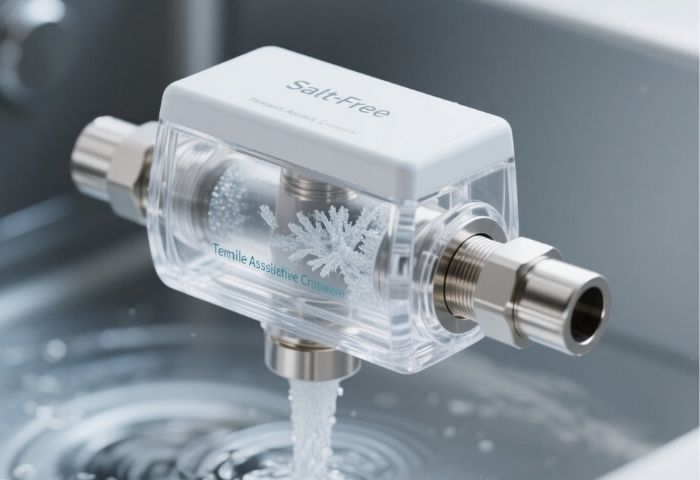
Salt-free systems are called “water conditioners,” not “softeners.” They don’t remove the hardness minerals. Instead, they change the minerals’ structure so they can’t form scale.
- How they work: Most use a technology called Template-Assisted Crystallization (TAC), which converts dissolved minerals into tiny microcrystals. These crystals remain in the water but do not stick to pipes, faucets, or appliances.
- Pros: They are easy to maintain and good for the environment because they don’t need salt or electricity and don’t produce wastewater. They are also smaller in size.
- Cons: While they prevent scale buildup, they don’t provide the other benefits of soft water. You’ll still experience issues like soap not lathering well, filmy residue on dishes, and dry skin and hair because the minerals remain in the water.
How to Choose the Right Water Softener
Choosing the right water softener for your home depends on a few important factors. Taking time to look at your needs will help you make a smart choice.
1. Water Hardness and Usage
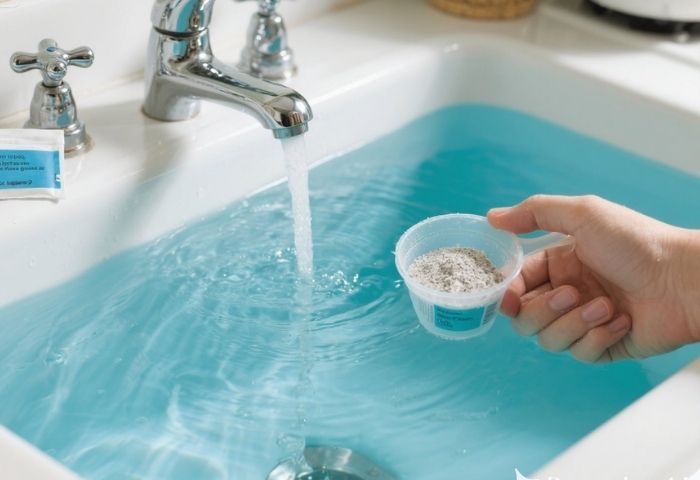
First, find out what your home’s water is like.
- Water Hardness: Hardness is measured in grains per gallon (GPG). You can test your water or use a home test kit. If your water has a hardness of more than 7.5 GPG, it’s considered hard and could benefit from a water softener. Water
- Usage: Figure out how much water your household uses each day. Most people use about 75 gallons a day, so a family of four would use about 300 gallons a day.
To find out what daily grain capacity you need, multiply your daily water use by your water’s GPG. For example, if you use 300 gallons a day and your water is 10 GPG, you’ll need a system that can handle 3,000 grains per day.
2. System Capacity and Size
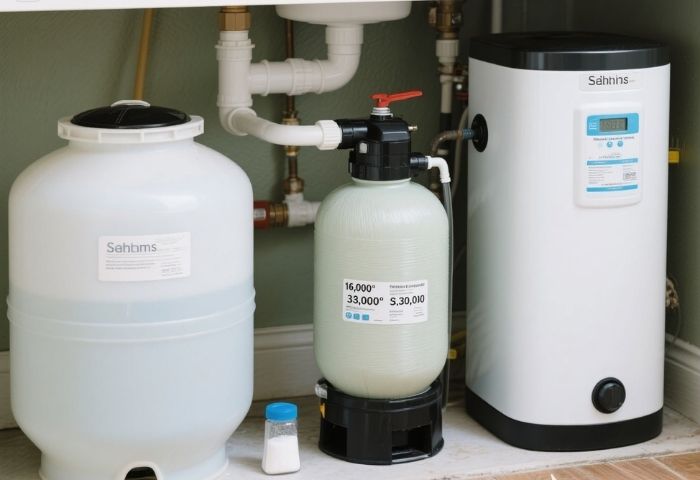
The number of grains shows how much hardness a water softener can remove before it needs to regenerate. Most systems range from 16,000 to over 80,000 grains. A higher-capacity system needs to regenerate less often. For a typical four-person home, experts usually suggest a capacity of about 33,000 GPG.
You also need to consider the unit’s physical size and the available installation space. Salt-based systems require more space for both the mineral and brine tanks, while salt-free conditioners are much more compact.
3. Regeneration Method
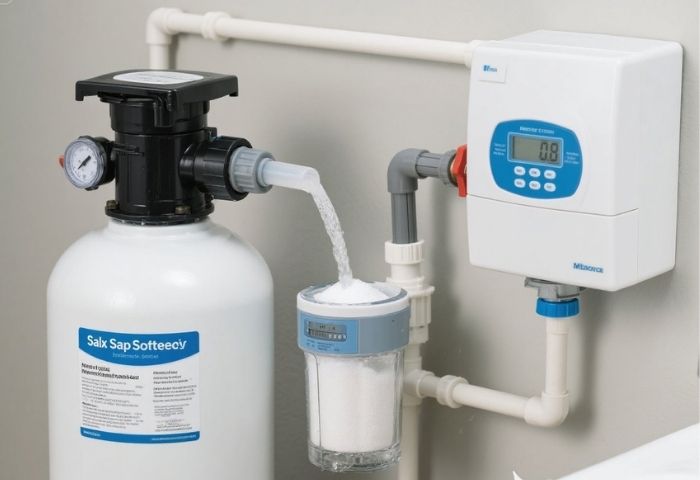
Salt-based softeners regenerate with either a timed system or a metered system.
- Timed Systems: These regenerate on a set schedule, no matter how much water you use. This can waste salt and water if you use less than average, or let hard water through if you use more than average.
- Metered Systems: Track water consumption and only regenerate after a specific volume of water has been softened. This demand-initiated approach is far more efficient, saving salt, water, and money over time.
4. Installation and Maintenance
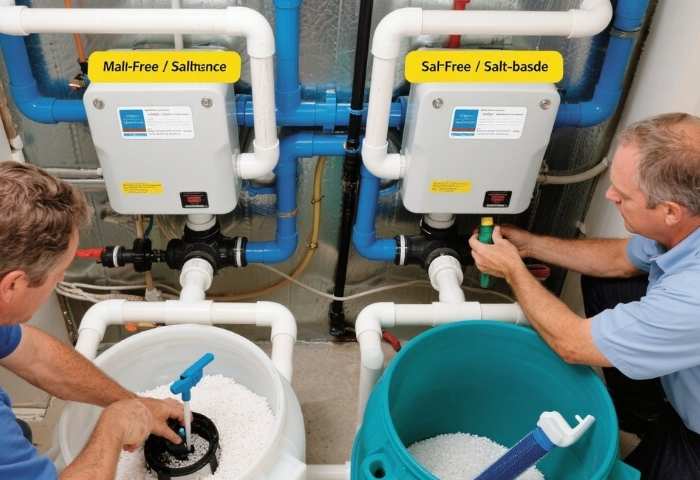
Salt-free systems are usually easier to install, and many homeowners can do it themselves. Salt-based systems are more complex and may require a professional to install them.
In terms of maintenance, salt-based systems require you to check and refill the brine tank with salt every 4-6 weeks. It’s also good practice to occasionally clean the brine tank and use a resin cleaner to maintain the system’s efficiency. Salt-free systems, on the other hand, require very little maintenance.
Is a Water Softener Worth It?
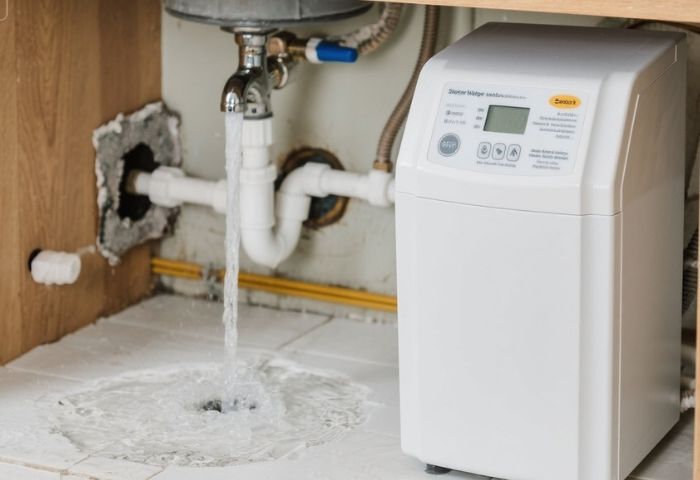
For homes with hard water, a water softener is not just a luxury. It’s a practical investment that pays off over time. The initial cost, usually between $600 and $1,500, can be made up quickly through savings.
Softened water protects your plumbing from scale buildup, helping you avoid expensive repairs and keeping your water pressure strong. It also extends the life of your appliances, like your water heater, washing machine, and dishwasher, helping you avoid early replacements. You’ll use less soap, detergent, and shampoo because soft water lathers much better.
Besides saving money, a water softener can improve your life. Your clothes will look brighter and feel softer, your dishes will be spotless, and your skin and hair will feel cleaner and healthier. You’ll also spend less time cleaning because you won’t have to deal with soap scum and scale.
A Clearer Choice for Your Home
Hard water is a common problem that can cause ongoing frustration and costly repairs. A water softener offers a reliable, long-term solution by addressing the problem at its source. By removing the minerals that cause scale and soap scum, these systems protect your home, save you money, and make daily life easier. Whether you choose a salt-based system or a salt-free conditioner, treating your water is a smart investment in your home’s health and future.