








When it comes to landscaping solutions that are aesthetically pleasing, low maintenance, and environmentally friendly, perennial peanut ground cover checks all the boxes. This versatile plant is steadily gaining popularity among landscapers, gardeners, and landowners for its many benefits that go far beyond what meets the eye.
Whether you’re looking for an alternative to traditional turfgrass, reducing your water bill, or adding a splash of green and yellow to your outdoor space, perennial peanut might just be the plant you’ve been searching for.
What Is Perennial Peanut Ground Cover?
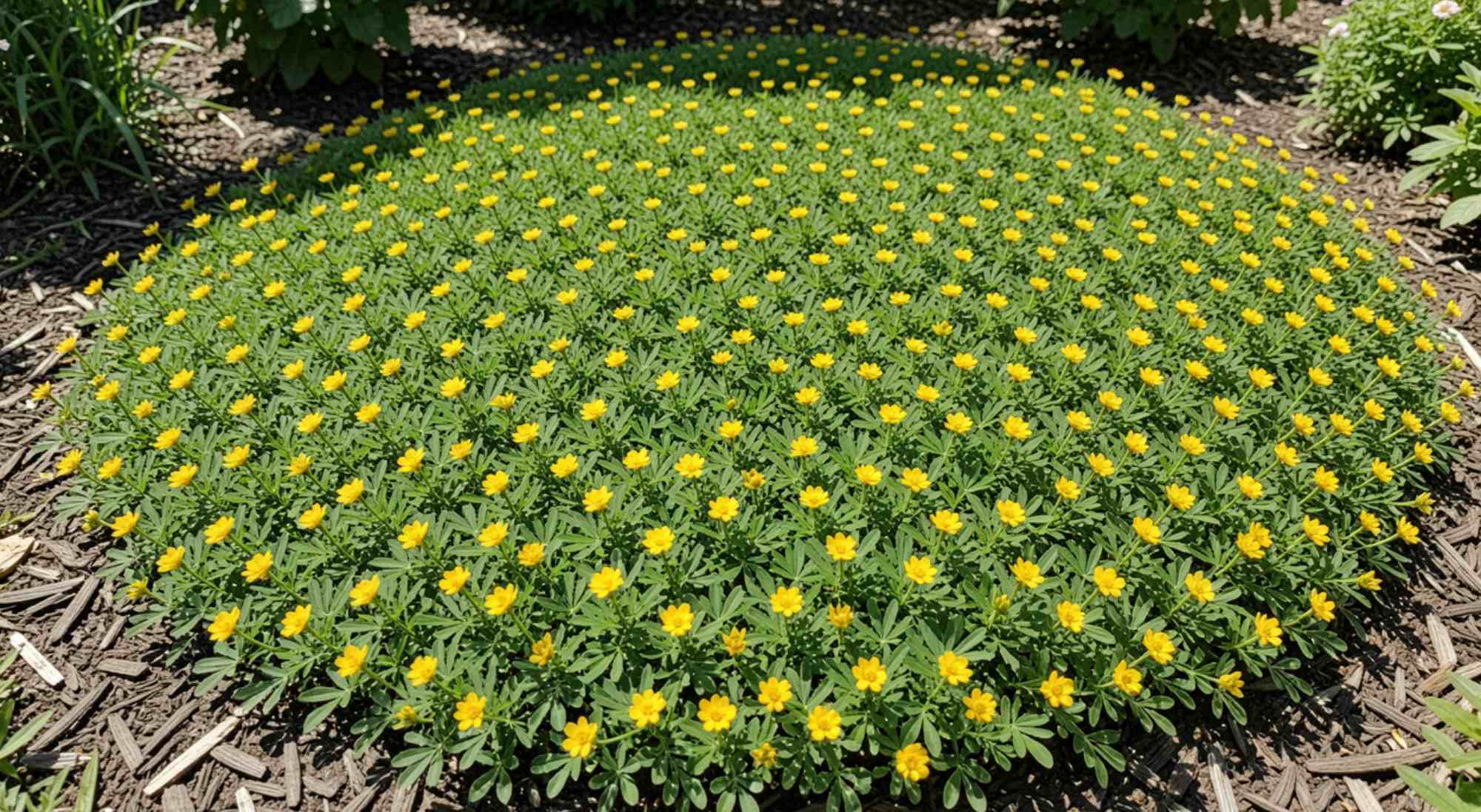
Perennial peanut (Arachis glabrata) is a creeping ground cover known for its deep green foliage and vibrant yellow flowers. Native to South America, this hardy plant is a member of the legume family, much like its cousin, the edible peanut. However, unlike the common peanut, perennial peanuts are not grown for food, but rather for high-value applications like ground cover, forage, and even erosion control.
Since perennial peanut is an evergreen perennial in warm climates, it provides a year-round solution for ground cover needs, particularly in areas with poor soil or challenging growing conditions.
Why Choose Perennial Peanut for Ground Cover?
Here’s why perennial peanut is becoming the go-to choice for homeowners, landscapers, and agricultural users alike:
1. Drought Tolerance and Water Efficiency
One of the standout features of the perennial peanut is its exceptional drought tolerance. Once established, this plant thrives in dry conditions, making it a perfect fit for areas prone to water restrictions. Unlike turfgrass that requires constant watering to remain green, perennial peanut relies on deeply rooted systems to find its own moisture, drastically reducing your irrigation needs.
2. Low Maintenance and Eco-Friendly
If you’re tired of mowing, fertilizing, and dealing with weeds, perennial peanut provides a hands-off solution. This low-maintenance ground cover doesn’t require regular mowing. Plus, as a nitrogen-fixing plant, it enriches the soil naturally, eliminating the need for chemical fertilizers. Healthy soil means fewer pests, diseases, and a more sustainable environment.
3. Erosion Control and Soil Improvement
Thanks to its hardy root structure, perennial peanut stabilizes the soil and is excellent for controlling erosion on slopes or areas with poor drainage. Its ability to fix nitrogen directly enriches the soil, creating the perfect foundation for other plant growth.
4. Stunning Aesthetic Appeal
With its eye-catching yellow flowers and rich green leaves, perennial peanut provides a lush, ornamental look that elevates your landscaping game. It pairs beautifully with pathways, flower beds, and even large landscape features, adding a sophisticated yet natural vibe to your outdoor spaces.
5. Versatility of Applications
Beyond basic landscaping, perennial peanut is often used as forage for livestock due to its high nutritional value. It’s also hailed as a cover crop to improve soil health in agricultural settings, further highlighting its diverse applications.
Where Does Perennial Peanut Grow Best?
Perennial peanut is well-suited for USDA hardiness zones 8-11. This means it thrives in warm, frost-free climates such as Florida, parts of Georgia, Texas, and southern California. Keep in mind that it is not frost-tolerant, so extremely cold regions are not ideal for its growth.
For optimal growth:
- Choose well-draining soil types to prevent root rot.
- Plant in areas with full sunlight for best flowering results.
If you live in a region that experiences occasional frost, mulch or cover your plants during the winter to provide additional protection.
How to Establish a Perennial Peanut Ground Cover
Planting perennial peanut does require some patience, as it may take about a year or more to fully establish. However, once it’s established, this resilient plant is here to stay. Follow these easy steps to get started:
1. Prepare the Soil
Clear the area of weeds, debris, and old plant material. Well-prepared soil improves the chances of success. A soil pH of 5.8 to 7.0 is ideal for perennial peanut, so make adjustments if necessary.
2. Choose Your Propagation Method
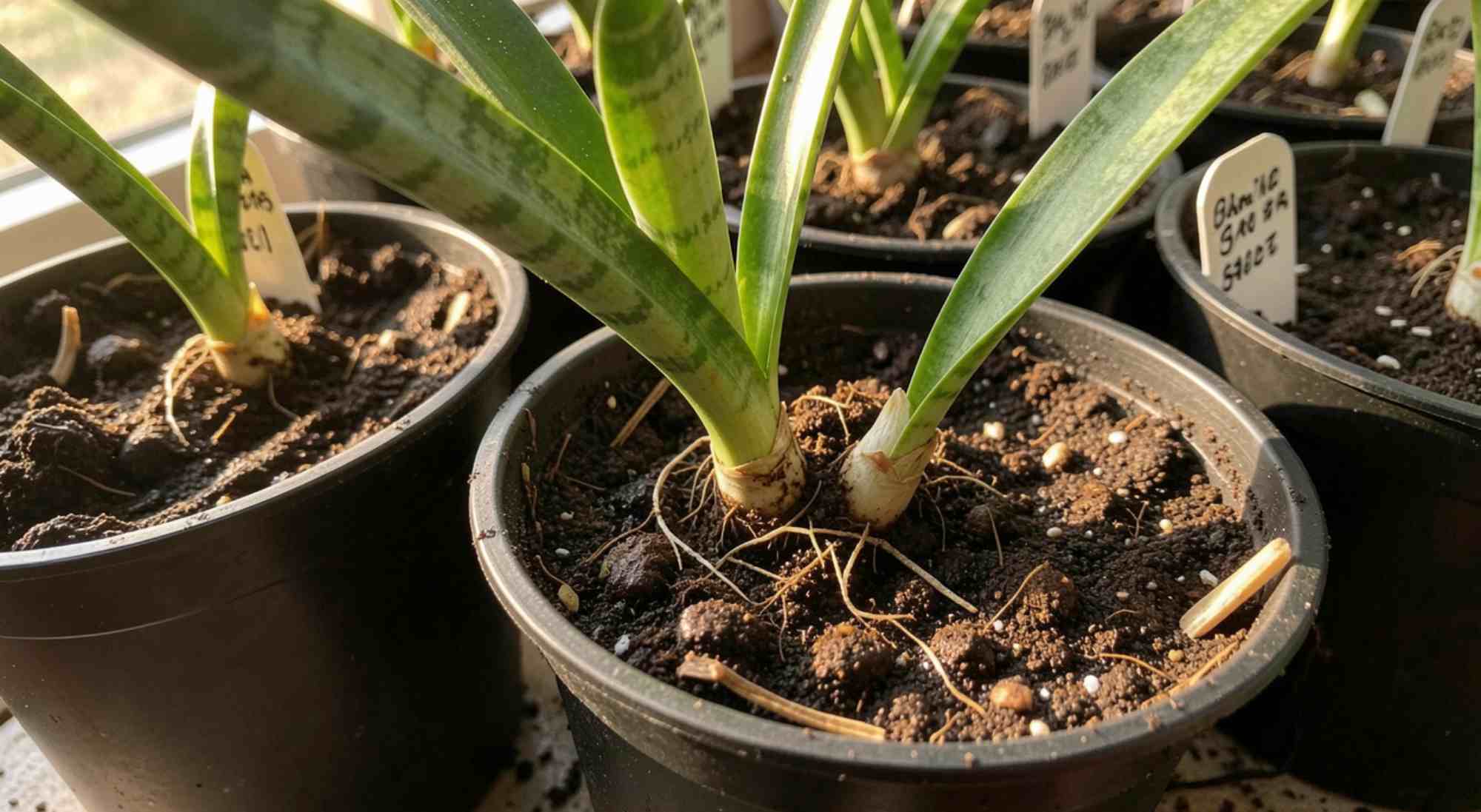
Perennial peanut can be grown using rhizomes (underground stems) or root cuttings. Rhizomes are typically the most common and are planted directly into the ground.
3. Plant Rhizomes or Cuttings
- Space rhizomes approximately 12 – 18 inches apart.
- Cover with about one inch of soil.
- Water immediately after planting to settle the soil around the rhizomes.
4. Water Strategically
Water the area frequently during the first six weeks to help the plants establish. After this period, reduce watering as the plants develop their deep root systems. Once established, watering will only be needed in periods of extreme drought.
5. Monitor Growth
Perennial peanut may grow slowly during its first year, but don’t worry—that’s normal. By the second year, you’ll begin to notice a dense carpet of greenery and flowers that require minimal oversight.
Common Challenges and How to Overcome Them
Even hardy plants have their share of challenges. Here are common issues with perennial peanut and how to address them:
- Weeds: During the establishment phase, perennial peanut is vulnerable to weed competition. Regular weeding or applying an organic mulch can help.
- Poor Drainage: Perennial peanut does not tolerate waterlogged soil. Make sure the planting area has adequate drainage to protect the rhizome health.
- Pests: While generally pest-resistant, occasional issues with aphids or nematodes may arise. Address them with organic pest control methods.
How to Use Perennial Peanut in Your Landscaping
Looking for inspiration to incorporate perennial peanut into your landscape? Here are some ideas to try:
- Natural Turf Replacement
Use it as a sustainable and visually stunning alternative to traditional grass lawns.
- Erosion Control on Slopes
Stabilize sloped areas near driveways, patios, or hilly landscapes with its deep root system.
- Garden Pathway Edges
Add elegance to your walkways with the trailing edges of perennial peanut.
- Accent Your Outdoor Living Space
Use it as ground cover around outdoor seating areas, decks, or pools for a polished look.
- Agricultural Fencing Borders
Line the fencing of your larger property with its vibrant flowers for a striking visual effect.
Make the Switch Today
Perennial peanut ground cover offers so much more than just visual appeal. Its benefits, from water conservation to soil improvement and minimalist maintenance, provide long-term value for homeowners, gardeners, and large-scale landowners alike. Not only is it an environmentally conscious choice, but it also enhances your outdoor area with effortless beauty and functionality.
Plant your first bed of perennial peanut today and experience the transformation for yourself. With this hardy and gorgeous ground cover, achieving lush and sustainable landscaping has never been easier.