









Cigarette smoke has a notorious ability to penetrate deep into porous materials, and wood furniture is no exception. (How Do You Remove Cigarette Smell From Wood Furniture?, n.d.) Whether you’ve inherited a beautiful antique dresser from a smoking relative or scored a great deal on secondhand wooden pieces, that lingering tobacco odor can make your furniture unusable and your home unpleasant.
The good news? You don’t have to live with that stubborn smell forever. Wood furniture can be successfully deodorized with the right techniques and a little patience. From simple household remedies to more intensive restoration methods, there are proven ways to eliminate cigarette odors and restore your wooden pieces to their former glory.
This guide will walk you through effective methods to remove cigarette smell from wood furniture, explain why smoke odors are so persistent, and help you choose the best approach based on your furniture’s condition and value.
Why Cigarette Smell Sticks to Wood Furniture
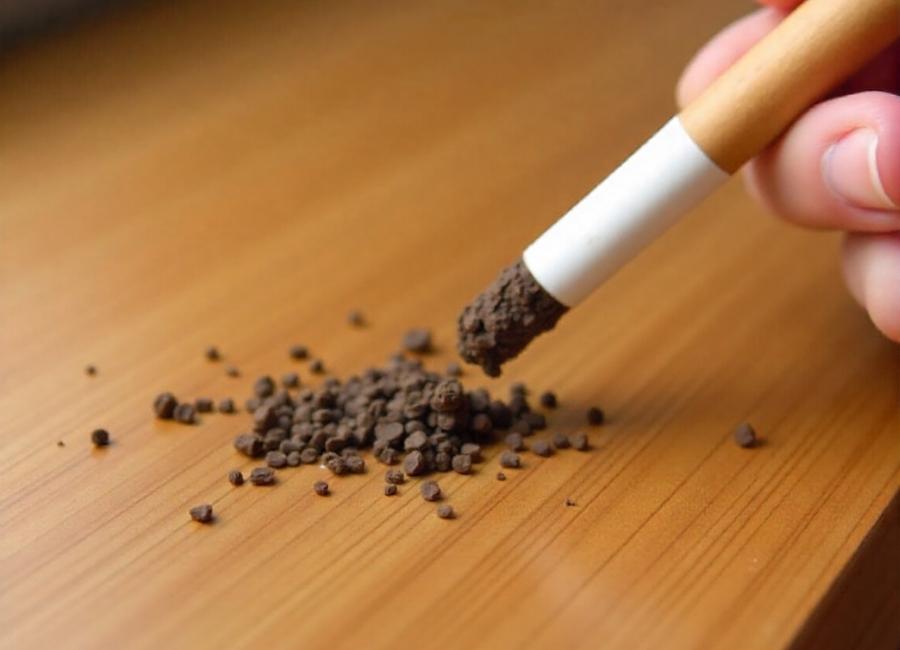
Wood is naturally porous, which makes it excellent at absorbing moisture, stains, and, unfortunately, odors. (How to Remove Cigarette Smell from Wood: 8 Proven Methods That Work, n.d.) When cigarette smoke repeatedly comes into contact with wooden surfaces, the tar and nicotine particles penetrate the wood’s pores and become trapped within the grain. (How Do You Remove Cigarette Smell From Wood Furniture?, n.d.)
Unlike hard surfaces that can be easily wiped clean, wood creates microscopic pockets where smoke particles can hide. (How to Get Smoke Smell Out of Your House, Furniture and More, n.d.) The deeper these particles penetrate, the more challenging they become to remove. Factors that worsen smoke absorption include:
- Wood type: Softer woods like pine absorb odors more readily than hardwoods like oak or maple (Eliminating Smoke Odors from Wood Furniture, 2021)
- Finish condition: Worn or damaged finishes offer less protection against penetration
- Exposure duration: Years of smoking around furniture create deeper, more stubborn odors
- Humidity levels: High moisture can drive smoke particles deeper into the wood
Understanding this process helps explain why surface cleaning alone rarely eliminates the smell completely, and why multiple treatment methods are often necessary.
Assess Your Furniture Before Starting
Before diving into odor removal, take time to evaluate your furniture piece. This assessment will help you choose the most appropriate method and avoid damage to valuable items.
Check the wood type and finish: Identify whether your piece is solid wood, veneer, or composite material. Look for existing damage, worn areas, or special finishes that might be sensitive to certain cleaning products.
Test in an inconspicuous area: Always test your chosen method on a hidden spot first. This prevents visible damage if the treatment reacts poorly with the finish.
Consider the furniture’s value: Antique or valuable pieces may require professional restoration to maintain their worth. For everyday furniture, you can be more aggressive with treatment methods.
Document the current condition: Take photos before starting, especially if you’re working on a valuable piece. This creates a record of the furniture’s state before treatment.
Natural Methods for Light Odors
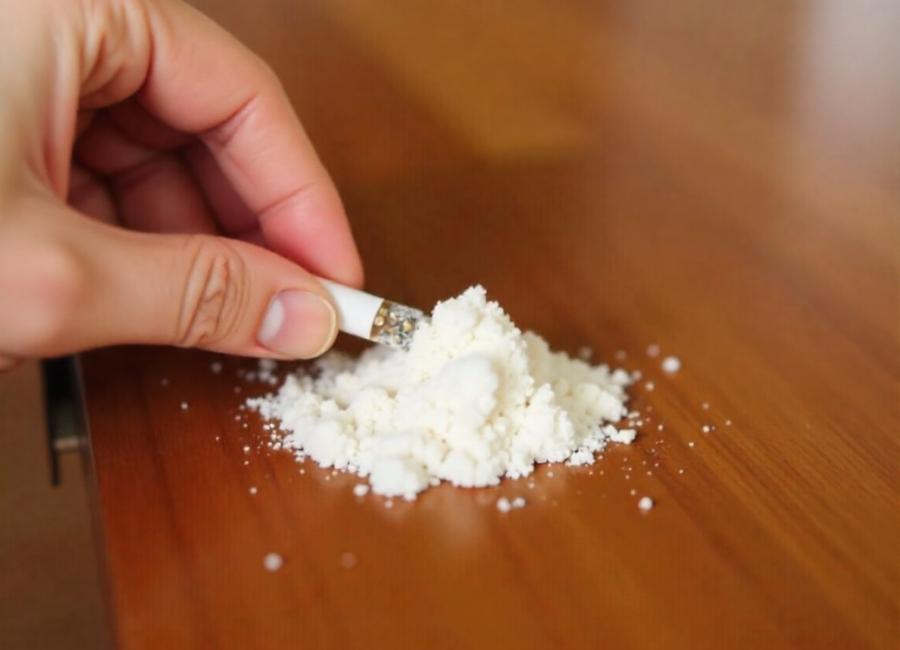
For furniture with mild cigarette smells or as a first treatment step, natural methods can be surprisingly effective and won’t damage delicate finishes.
Baking Soda Treatment
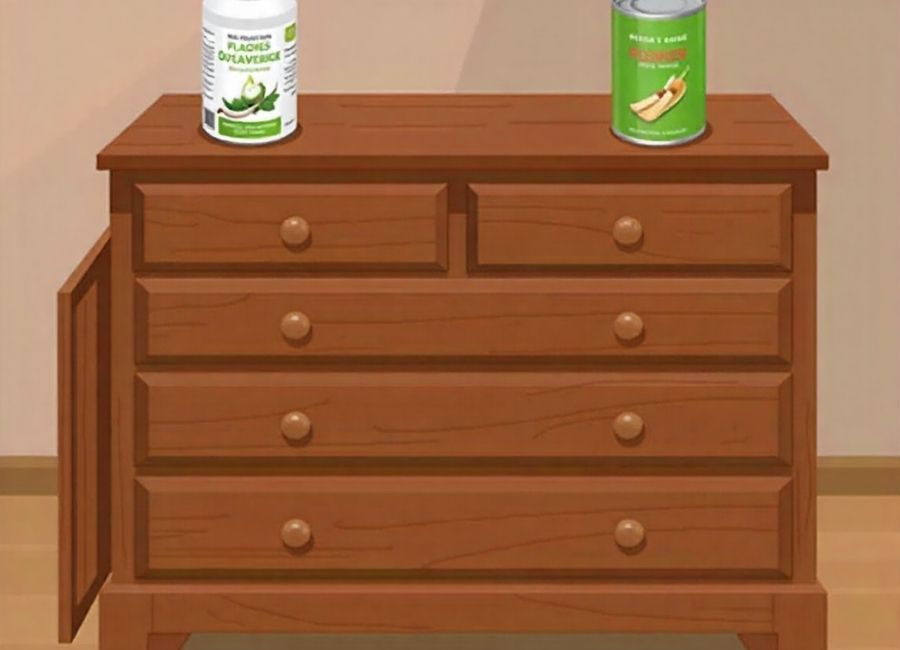
Baking soda is a powerful odor absorber that works by neutralizing acidic compounds in cigarette smoke. (Odor Removal Hacks: 6 Powerful Ways to Eliminate the Lingering Smell of Smoke, n.d.) Create sachets using coffee filters or thin cloth, fill them with baking soda, and place them inside drawers, cabinets, or near the furniture. Leave these sachets in place for several days or even weeks, replacing them as they become saturated with odors.
For external surfaces, you can make a paste using baking soda and water, gently rub it into the wood grain with a soft cloth, then wipe clean with a damp cloth. This method works best on unfinished or lightly finished wood.
White Vinegar Solution
White vinegar’s acetic acid breaks down the alkaline compounds in cigarette tar and nicotine. (Smoke Odor Removal: Ultimate Guide 2025, n.d.) Mix equal parts white vinegar and water in a spray bottle. Lightly mist the solution onto the wood surface, being careful not to oversaturate. The vinegar smell will dissipate as it dries, taking cigarette odors with it.
For enclosed spaces like drawers, place shallow bowls of undiluted white vinegar inside overnight. The vinegar will absorb odors from the air and wood surfaces.
Activated Charcoal
Activated charcoal excels at absorbing odors and moisture. (Where do you put charcoal in your house?, n.d.) Place activated charcoal bags or loose charcoal in shallow dishes near your furniture. This method works slowly but effectively, especially in enclosed spaces like cabinets or storage areas.
Deep Cleaning Techniques

When natural methods aren’t enough, more intensive cleaning approaches can tackle stubborn odors that have penetrated deeper into the wood.
TSP (Trisodium Phosphate) Solution
TSP is a powerful degreaser that breaks down tar and nicotine buildup on wood surfaces. (How to Remove Cigarette Smell from Wood: 8 Proven Methods That Work, n.d.) Mix one tablespoon of TSP with one gallon of warm water. Using rubber gloves and working in a well-ventilated area, wipe down all surfaces with the solution using a clean cloth.
TSP can dull some finishes, so test first and be prepared to refinish if necessary. This method is particularly effective on kitchen cabinets and furniture that have been exposed to heavy smoke.
Murphy’s Oil Soap Method
This wood-safe cleaner can remove surface residue while conditioning the wood. Mix Murphy’s Oil Soap according to package directions and clean all surfaces thoroughly. The soap helps break down oily residues while being gentle on wood finishes.
Follow up by wiping with a clean, damp cloth to remove soap residue, then dry completely.
Enzyme-Based Cleaners
Enzyme cleaners work by breaking down organic compounds in smoke residue at a molecular level. (Sirait et al., 2023) These cleaners are particularly effective on upholstered furniture components or fabric-covered areas.
Apply according to the manufacturer’s directions and allow adequate dwell time for the enzymes to work. These products often require multiple applications for heavily contaminated items.
Advanced Odor Elimination Methods
For severely affected furniture or when other methods have failed, these advanced techniques can provide more thorough odor removal.
Ozone Treatment
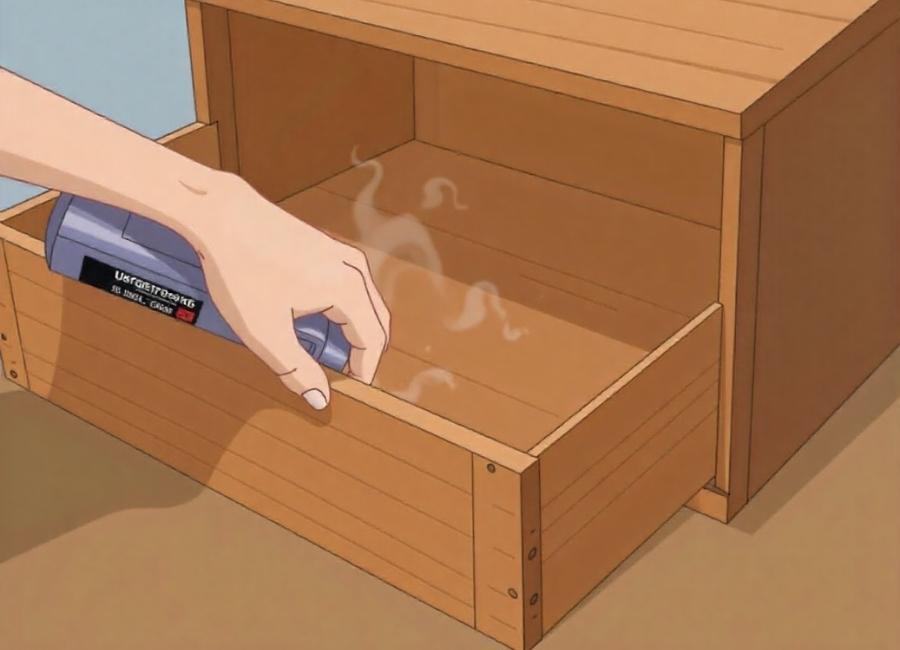
Ozone generators create ozone gas that oxidizes odor-causing molecules, effectively destroying them rather than just masking the smell. (Does Ozone Eliminate Odor?, n.d.) This method requires vacating the treatment area, as ozone can be harmful to humans and pets.
Professional ozone treatment typically runs for 24-48 hours, followed by several hours of ventilation before the space is safe to reenter. While effective, this method should only be performed by professionals or experienced individuals with proper safety equipment.
KILZ Odor Blocking Primer
When furniture has absorbed odors deep into the wood, sometimes the only solution is to seal them in with a specialized primer. KILZ Original or BIN are shellac-based primers that create an effective barrier against odor transmission. (KILZ® ORIGINAL Oil-Based Primer, n.d.)
This method requires stripping the existing finish, applying the primer, and refinishing the piece. While labor-intensive, it’s often the most reliable solution for severely affected furniture.
Professional Restoration
For valuable antiques or when DIY methods have failed, professional furniture restorers have access to specialized techniques and equipment. They may use commercial-grade ozone chambers, specialized solvents, or even partial wood replacement in extreme cases.
Professional treatment costs more but ensures that valuable pieces are handled appropriately and that the work won’t damage the furniture’s value.
Prevention and Maintenance Tips
Once you’ve successfully removed cigarette odors, protect your investment with these prevention strategies:
Maintain proper humidity levels: Keep indoor humidity between 30-50% to prevent wood from becoming overly porous and susceptible to odor absorption.
Regular cleaning: Dust and clean wood furniture weekly to prevent the buildup of airborne particles that can trap odors.
Use protective finishes: Well-maintained finishes provide a barrier against odor penetration. Touch up worn areas promptly.
Air circulation: Ensure good ventilation around furniture pieces, especially in storage areas or basements where air can become stagnant.
Restoring Your Furniture’s Fresh Appeal
Removing cigarette smell from wood furniture requires patience and often multiple approaches, but the results are worth the effort. Start with gentler natural methods before progressing to more intensive treatments, and always prioritize safety when using chemical products or equipment.
Remember that heavily contaminated pieces may require professional attention, especially if they hold sentimental or monetary value. With the right approach and persistence, even the most smoke-damaged furniture can be restored to a fresh, odor-free condition that you’ll be proud to display in your home.