










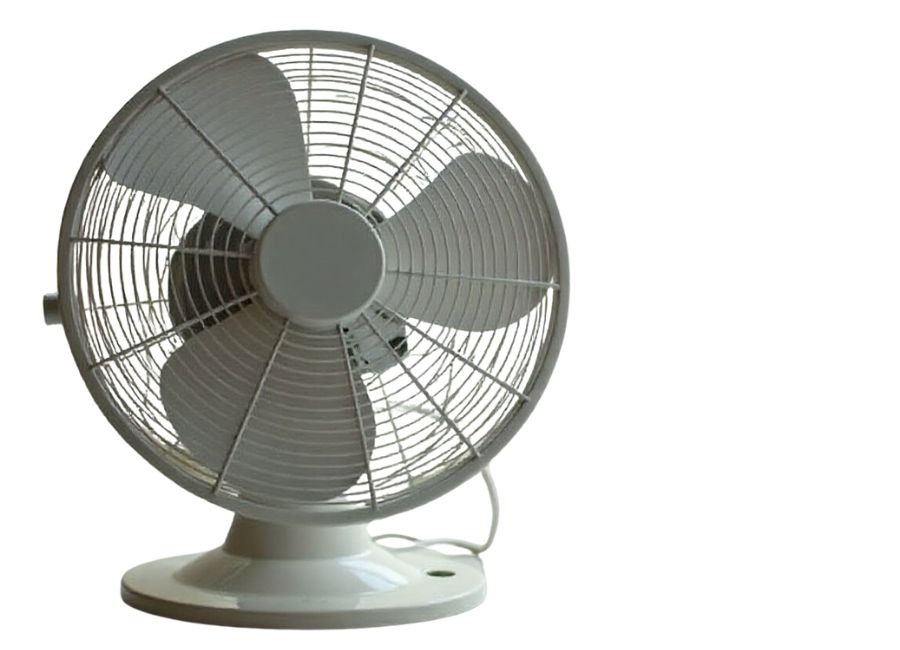
We’ve all felt the shock of a high summer electric bill. You turn off lights and unplug appliances, so what’s causing the spike? Often, the culprit is your heating, ventilation, and air conditioning (HVAC) system, which can account for about half of your home’s energy use. (Heating, Ventilation, and Air Conditioning (HVAC) | Residential Program Guide, n.d.) It takes a lot of power to keep your home cool when temperatures rise.
How can you stay comfortable without raising your energy costs? The answer might surprise you: fans. This guide examines the energy consumption of fans and provides strategies for utilising them effectively to cool your home, reduce your reliance on air conditioning, and lower your monthly bill.
How Much Power Does a Ceiling Fan Use?
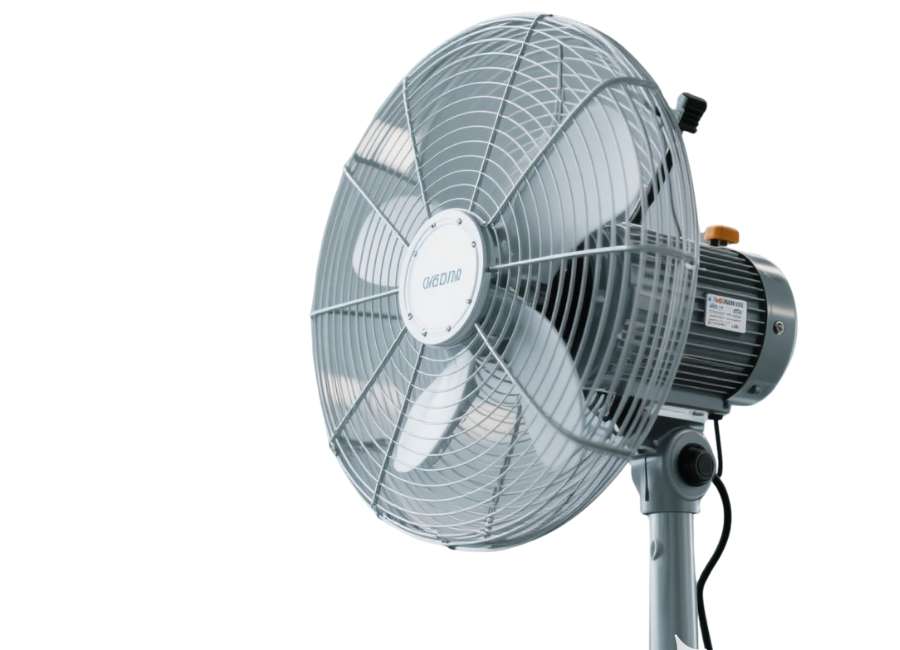
Most homes have at least one ceiling fan, but leaving it running all day can increase your bill if used improperly. Ceiling fans use a small motor to rotate blades, pushing cool air downward. This creates a wind-chill effect, making a room feel cooler almost instantly.
A standard 48-inch ceiling fan uses about 75 watts per hour. (ENERGY STAR Certified Ceiling Fans, n.d.) This translates to roughly $0.01 per hour to operate. If you were to leave it running 24/7 for a whole month, it would cost around $6 to $6.50. (Fan Electricity Consumption Calculator, n.d.)
To maximize efficiency, alwaysTo maximize efficiency, use your ceiling fan on the lowest comfortable setting and turn it off when you leave the room. Since fans cool people, not spaces, there’s no benefit to leaving one on in an empty room. When buying a new fan, look for an Energy Star-certified model to ensure energy efficiency.n Use?
If your home lacks ceiling fans or you need more direct cooling, box fans are an affordable and accessible solution. These portable fans work by drawing in air from one side and blowing it out the other, providing a targeted stream of cool air. They are perfect for cooling a specific area, like your desk, bed, or workout space.
A typical 20-inch box fan running aA typical 20-inch box fan at full speed uses about 75 watts per hour, the same as an average ceiling fan. (How Much Does a Fan Use? (Ceiling Fan or Box Fan), 2025) It also costs about $0.01 per hour to run. (Appliance Usage Calculator, n.d.) Running it continuously for a month would cost about $6.50. (How Much Does it Cost to Run a Ceiling Fan?, 2024) Choosing an energy-efficient model can help minimize operating costs. For cooling an entire room, its portability makes it a great tool for personal comfort in rooms without a ceiling fan.
Are Fans Cheaper to Run Than Air Conditioning?
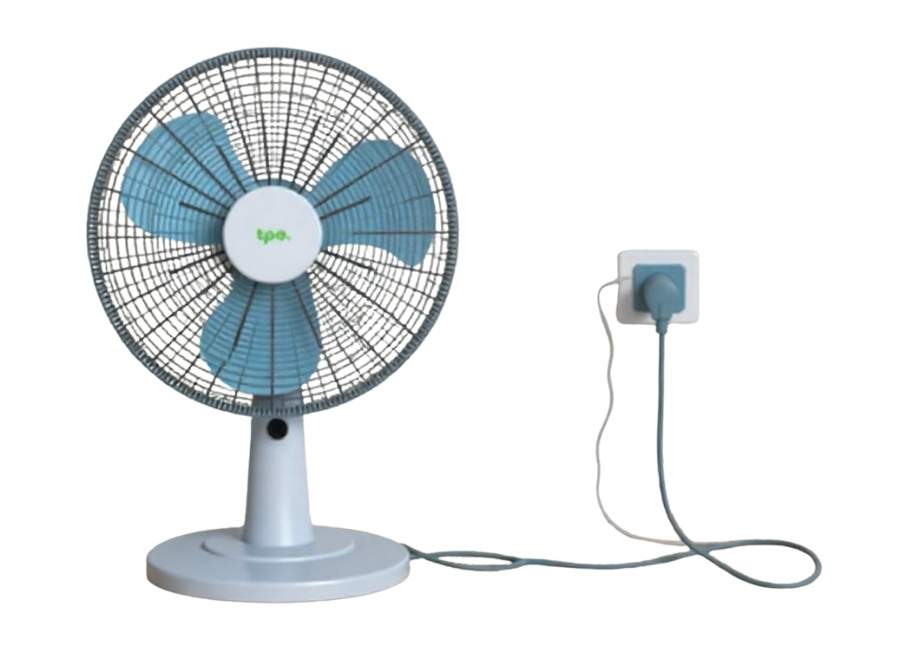
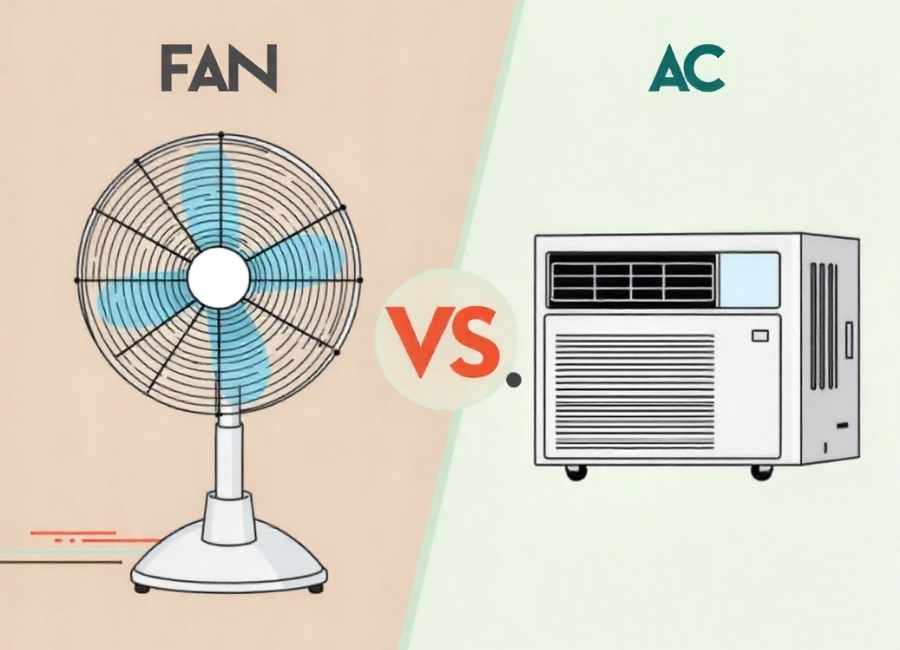
Yes, running a fan is significantly cheaper than running an air conditioner. While a fan costs about $0.01 per hour, a standard 2.5-ton central air conditioner can cost around $0.23 per hour. (Fan vs AC | The Complete Cost & Energy Comparison Guide for 2025, 2025) Running that same AC unit 24/7 for a month could cost as much as $162, compared to just $6.50 for a single fan. (Fan vs AC | The Complete Cost & Energy Comparison Guide for 2025, 2025)
The real savings from fans come from using them to supplement your air conditioning. The cooling effect lets you raise your thermostat by a few degrees without sacrificing comfort. This adjustment means your HVAC system runs less often, leading to substantial savings on your energy bill.
Considering their low purchase price, minimal installation, and low energy consumption, fans are a highly budget-friendly way to stay cool.
Tips for Cooling Your Home Efficiently
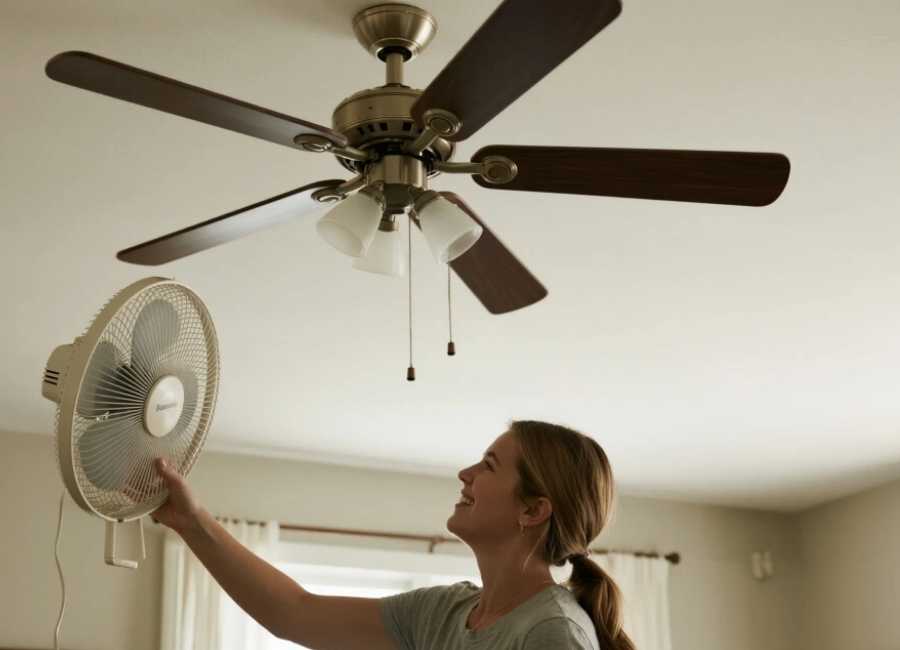
Every home and family has different needs, so your ideal cooling strategy will be unique. Still, a few universal tips can help you use fans to lower your energy bill.
Know Your Fan’s Strengths: Use ceiling fans for larger rooms and box fans for direct, personal cooling in smaller spaces or specific zones. An oscillating box fan helps circulate air in a larger area. Fans have a reverse switch. In the summer, the blades should run counter-clockwise to push cool air down. In winter, switch them to clockwise to pull cool air up and circulate warm air that has risen to the ceiling..
Be Strategic with Placement: Place fans in the rooms you use most. Turn them off when you leave, as they cool people, not the room itself.
Use the Lowest Setting: Run your fan on the lowest speed that keeps you comfortable to conserve energy.
Adjust Your Thermostat: While fans are running, set your thermostat to the highest comfortable temperature. Every degree you raise it saves you money.
Know Your Fan’s Strengths: Use ceiling fans for larger rooms and box fans for direct, personal cooling in smaller spaces or specific zones. An oscillating box fan helps circulate air in a larger area. Fans have a reverse switch. In the summer, the blades should run counter-clockwise to push cool air down. In winter, switch them to clockwise to pull cool air up and circulate warm air that has risen to the ceiling.
Take Control of Your Energy Bill
Using fans strategically is a simple way to manage your home’s temperature and reduce electricity costs during hot weather. By understanding how much power your air conditioner uses and supporting it with fans, you can stay comfortable all summer without the shock of a high energy bill. Combining ceiling and box fans to suit your home’s layout can lead to significant savings and a more energy-efficient lifestyle.