




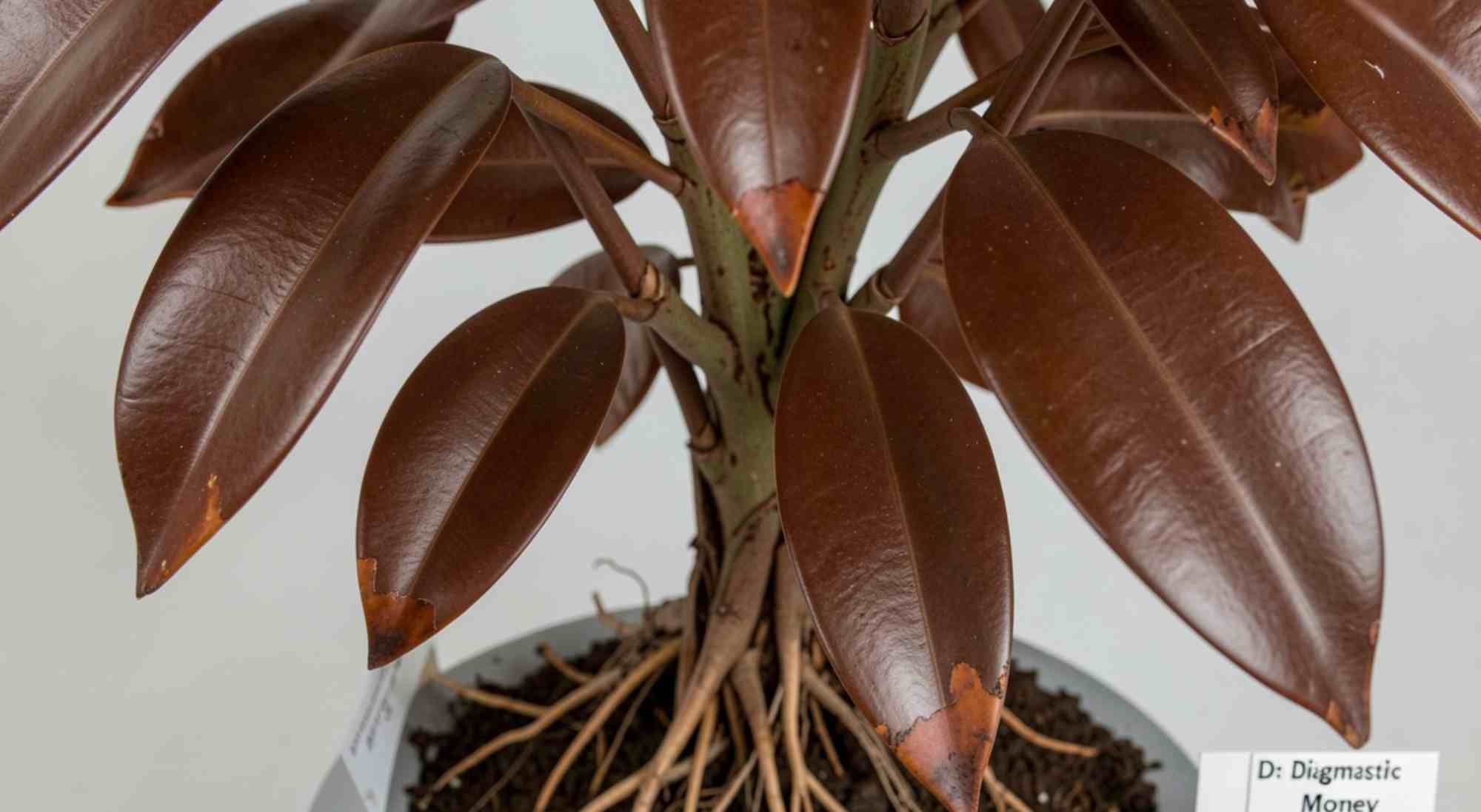
The Money Tree plant (Pachira aquatica) is a popular choice among plant owners for its attractive look, easy-to-care-for nature, and reputation for bringing good luck and prosperity. But if you’ve spotted your Money Tree leaves turning brown, you’re probably wondering what’s going wrong and how to fix it. Don’t worry; you’re not alone! Browning leaves are a common issue and often signal a care-related problem.
This post will guide you through the reasons why Money Tree leaves turn brown, how you can prevent it, and steps to nurse your plant back to health. Whether you’re a seasoned plant parent or just starting your indoor jungle, this guide will help you ensure your Money Tree thrives.
Reasons Why Money Tree Leaves Turn Brown
Understanding what causes Money Tree leaves to brown is the first step in resolving the issue. Various factors could be at play, so let’s explore them.
Overwatering
Money Trees are particularly sensitive to overwatering, a common mistake that leads to brown leaves. When the roots sit in water for too long, they can start to rot, leaving the plant unable to absorb nutrients effectively. This can result in browning tips or completely brown leaves.
Signs of overwatering:
- Wilting leaves that are browning
- Soil that feels constantly soggy or smells musty
- Mushy roots (if you pull the plant out to inspect)
Fix it:
- Reduce watering frequency. Water only when the top 1-2 inches of soil feel dry.
- Ensure your pot has drainage holes to allow excess water to escape.
- Consider repotting the plant if root rot has set in. Use fresh, well-draining potting soil.
Underwatering
On the flip side, if you forget to water your Money Tree, the leaves can dry out, crisp up, and turn brown. This often happens when you leave your plant in hot or dry conditions without enough moisture.
Signs of underwatering:
- Leaves look dry and feel crispy.
- Soil is completely dry and pulling away from the edges of the pot.
Fix it:
- Set a consistent watering schedule. Water thoroughly until excess drains from the pot, but avoid waterlogging.
- Increase humidity around the plant by misting it occasionally or placing it near a tray of water.
Improper Light Conditions
Light plays a critical role in the health of your Money Tree. Insufficient or excessive light can stress the plant, causing its leaves to turn brown over time.
Too little light:
- The plant looks leggy or stretches toward light sources.
- Lower leaves turn yellow and then brown.
Too much light:
- Brown spots or scorched tips appear on the leaves.
- Leaves may curl or look faded.
Fix it:
- Place your Money Tree in bright, indirect light. Avoid direct sunlight, as it can scorch the leaves.
- If your plant isn’t getting enough natural light, consider using a grow light.
Low Humidity
Money Trees are native to tropical regions and thrive in humid conditions. Low indoor humidity, especially in colder months, can lead to browning edges and tips.
Signs of low humidity:
- Browning leaf edges
- Dry, papery feel to the leaves
Fix it:
- Use a humidifier near your plant to maintain consistent humidity levels.
- Group your Money Tree with other plants to create a microclimate.
- Occasionally mist your plant to mimic the humidity of its natural environment.
Pests or Disease
Spider mites, mealybugs, and other pests can infest Money Trees, damaging the leaves and causing browning. Similarly, fungal or bacterial infections can harm the plant if the conditions favor their growth.
Signs of pests/disease:
- Small spots or patterns of discoloration on the leaves
- Visible pests, cobweb-like residue, or sticky substances
- Leaves turning brown despite adequate care
Fix it:
- Remove pests manually with a soft, damp cloth or by rinsing the plant under warm water.
- Use insecticidal soap or neem oil to manage infestations.
- Avoid overwatering to reduce the risk of fungal infections.
Over-fertilizing
Fertilizers can help your Money Tree grow, but overdoing it can harm the plant, causing a buildup of salts in the soil that burns the roots and results in browning leaves.
Signs of over-fertilizing:
- Browning leaf tips and edges
- White crust on the surface of soil
Fix it:
- Flush the soil with water to remove excess salts.
- Reduce how often you fertilize; aim for once a month during the growing season (spring and summer) using a balanced, diluted liquid fertilizer.
- Avoid fertilizing during the dormant season (fall and winter).
Natural Aging
It’s normal for some older leaves to turn yellow or brown and eventually drop as part of the plant’s natural life cycle. This isn’t something to worry about as long as the overall plant appears healthy.
How to Prevent Browning Leaves
Prevention is better than cure when it comes to plant care. Here are some tips to keep your Money Tree happy and healthy:
- Stick to a proper watering schedule: Check the soil regularly to avoid over or underwatering.
- Maintain humidity: Use a humidifier to replicate tropical conditions, especially in winter when indoor air tends to be dry.
- Choose the right spot: Place the plant in a location with bright, indirect sunlight. Avoid cold drafts and direct sunlight.
- Inspect for pests: Regularly check the leaves for signs of pests or infections so you can act quickly if needed.
- Fertilize wisely: Feed your plant sparingly, ensuring you dilute the fertilizer to avoid salt build-up.
Nurse Your Money Tree Back to Health
Repairing browning leaves on your Money Tree is absolutely doable with a little patience and attention.
- Prune damaged leaves: Use sharp, sanitized scissors to trim off browned leaves or tips. This helps the plant conserve energy.
- Inspect the roots: If you suspect overwatering, check the roots for rot and repot the plant if necessary.
- Adjust care routines: Correct any issues with watering, lighting, or humidity.
- Monitor progress: Healthy new growth is a sign you’ve resolved the underlying issue.
Keep Your Money Tree Thriving
A thriving Money Tree is all about balance. Provide the right amount of water, light, and nutrients, and your Money Tree will repay you with lush, vibrant leaves and good vibes. Remember, every plant is unique, so take the time to experiment and observe what works best for yours.
Have questions or tips for Money Tree care? Share them in the comments below or get in touch with us on social media. Happy planting!