







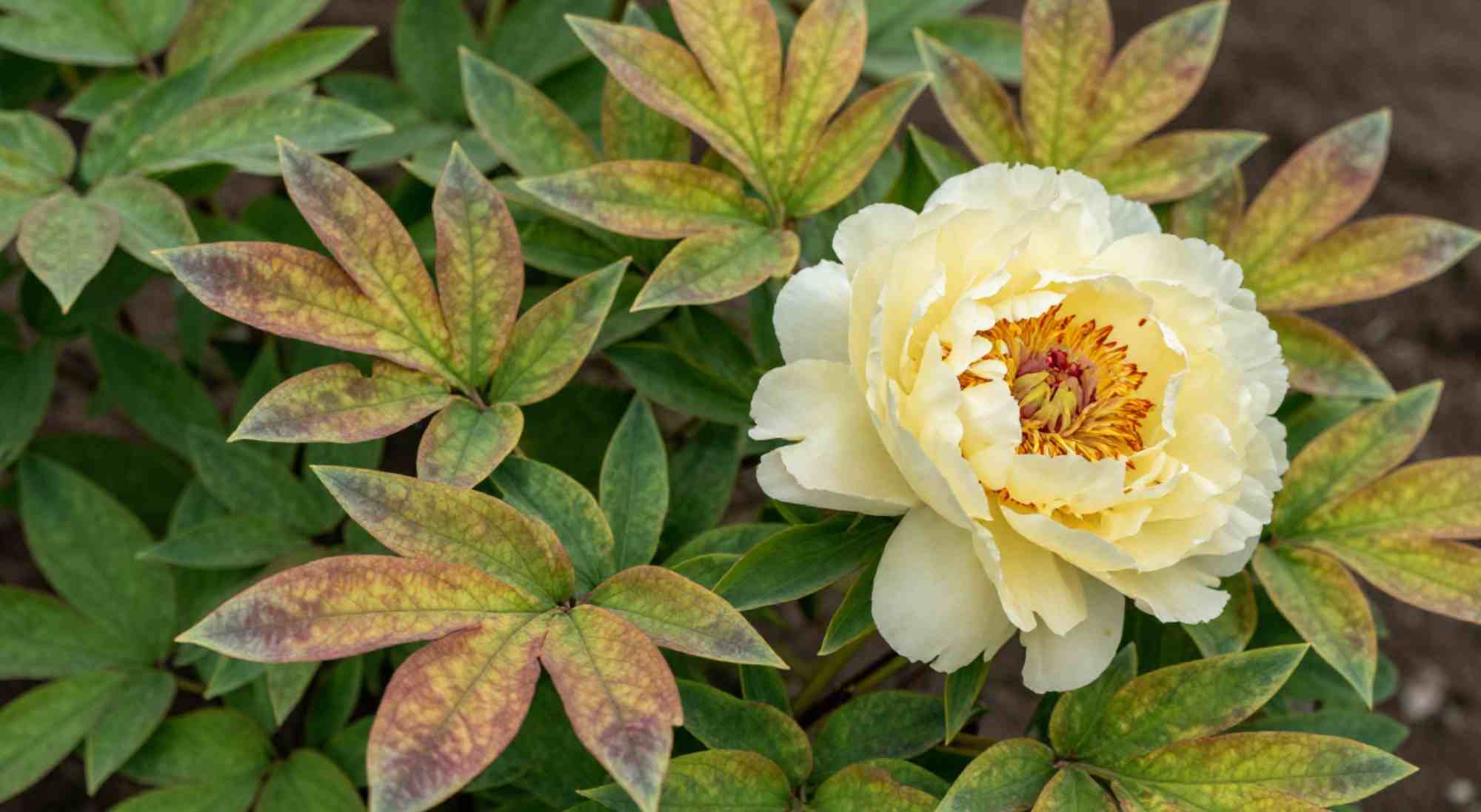
Peonies are beloved by gardeners for their stunning, fragrant blooms. However, their beauty isn’t just limited to their flowers. Many enthusiasts notice the nuanced transformation of peony foliage throughout the growing season. These color changes add an extra layer of interest to peony plants and often spark curiosity. Why exactly does peony foliage change color? Is it a sign of health or a potential problem in the plant?
This post dives into the reasons behind peony foliage color changes, explores what’s normal and what isn’t, and offers best practices for keeping your plants thriving.
Understanding Peony Foliage
Peonies are hardy and long-lived perennials known for their striking flowers, but their foliage also plays a significant role in their aesthetic appeal. Generally, peonies feature lush, green foliage, which serves as an essential element for photosynthesis and plant health. Yet, the foliage doesn’t always stay the same. Its transformation over the seasons can be both striking and a bit puzzling.
For gardeners, it’s worthwhile to understand that many of these changes are natural, though some may indicate stress or the need for care.
Natural Reasons for Color Changes in Peonies
Not all foliage color changes are a cause for alarm. Here are some common natural reasons you might notice a shift in your peony leaves:
Seasonal Transitions
Foliage color change is often tied to the changing seasons.
- Spring Growth:
When peonies first emerge in early spring, the fresh shoots and leaves often appear reddish or burgundy. This color provides a beautiful contrast against the brownish soil of a winter-worn garden. The young foliage contains pigments like anthocyanins, which act as a protective mechanism against the intense ultraviolet rays of early spring sunlight.
- Summer Maturity:
Once the plant matures and temperatures rise, the foliage transitions to a rich, deep green. At this stage, the leaves focus on photosynthesis, producing energy to support the flowers and overall plant growth.
- Autumn Shades:
By mid to late fall, you might notice foliage turning yellow, orange, or even bronze. This is part of the plant’s natural process of entering dormancy. Peonies, like other perennials, reabsorb nutrients from their leaves to store them in the roots for the next growing season.
Genetic Variation
Color changes may also depend on the specific peony variety. Some cultivars naturally exhibit enhanced or more dramatic color variations. For example:
- Tree Peonies often display bronze-toned foliage throughout their lifecycle.
- Itoh Peonies (hybrids between tree and herbaceous peonies) tend to have unique, reddish hues early in the season, transitioning to rich greens in summer.
If your peony foliage showcases an array of vibrant shades, it could simply be a characteristic of the cultivar you’ve chosen.
Sunlight and Temperature Exposure
Peony foliage color is also influenced by environmental factors. Plants grown in partial shade may have slightly different hues compared to those grown in full sunlight. Likewise, cool spring nights can intensify the reddish tones in new growth, while consistently warm conditions lead to greener foliage.
Warning Signs That Call for Attention
While many foliage color changes are normal, some can be indicative of stress, disease, or damage. Keep an eye out for the following warning signs and act if needed:
Browning or Crispy Edges
If the leaves are turning brown and feel dry to the touch, it may be a sign of environmental stress. Possible causes include:
- Underwatering:
Peonies, like any other plant, require consistent moisture to thrive. Extended dry periods during summer can cause dehydration and browning.
- Sunburn:
Excessive exposure to harsh sunlight in the hottest part of summer, especially for newly planted peonies, can scorch the leaves.
- Poor Soil Quality:
Lack of nutrients or improper pH levels can result in weakened foliage.
Yellowing Foliage
Yellow leaves can be one of two things. If it happens during fall, it’s likely a natural part of dormancy. However, yellowing during summer may point to:
- Waterlogged Roots:
Overwatering or poor soil drainage can cause root rot, leading to foliage discoloration and weakening the plant.
- Nutrient Deficiency:
Specific nutrient deficiencies, such as nitrogen or magnesium, can turn leaves yellow. Feeding your plant with a balanced fertilizer may resolve this issue.
Spots, Mottling, or Fuzzy Growth
Fungal infections are one of the most common issues that peony gardeners face.
- Botrytis (Gray Mold):
This fungal disease often affects peonies during damp conditions, causing dark spots on the leaves and a grayish, moldy covering.
- Powdery Mildew:
White or gray powdery spots on the foliage signal this fungal issue, which weakens the plant if left untreated.
- Peony Leaf Blotch:
Also called “Red Spot,” this creates purplish-brown streaks on leaves and supports.
Swiftly addressing these issues with fungicides and improved air circulation in your garden can help mitigate lasting damage.
Best Practices to Maintain Healthy Peonies
By taking some proactive care measures, you can reduce the likelihood of abnormal foliage discoloration while ensuring that your peony plants remain robust season after season.
Water Wisely
Peonies prefer consistent moisture but hate soggy roots. Aim to water at the base of the plant to avoid splashing water on leaves, which can encourage fungal growth.
Fertilize Thoughtfully
Feed your peonies with a balanced fertilizer during the early spring before new growth fully emerges. A second light feeding after blooming can also support healthy foliage and roots.
Maintain Airflow
Ensure proper spacing when planting to avoid overcrowding. Poor airflow can trap moisture on leaves, increasing the risk of fungal diseases.
Mulch for Protection
Add a layer of mulch around your peonies to regulate soil temperature and retain moisture. Make sure to leave some space around the crown to prevent rot.
Prune and Clean
After the first frost, cut back all foliage to ground level to prevent overwintering pests or diseases. Always clean up leaf debris during the growing season to keep your garden tidy and minimize risks.
Final Thoughts on Peony Foliage Changes
Peony foliage color changes are as fascinating as they are beautiful. While many shifts in color are natural and serve functional purposes for the plant, some may indicate the need for troubleshooting. Learning to recognize the difference empowers you to care for your peonies more effectively.
Whether you’re inspired by their vibrant spring hues or their golden fall tones, peony foliage is proof that these plants offer more than just their luxurious blooms.
Want to explore the world of peonies further? Check out our guide to choosing the best peony varieties for your garden.